Closed-cell foam insulation
Rigid spray foam that insulates and seals air in a single application - ideal for rim joists and tight basement spaces.
Learn more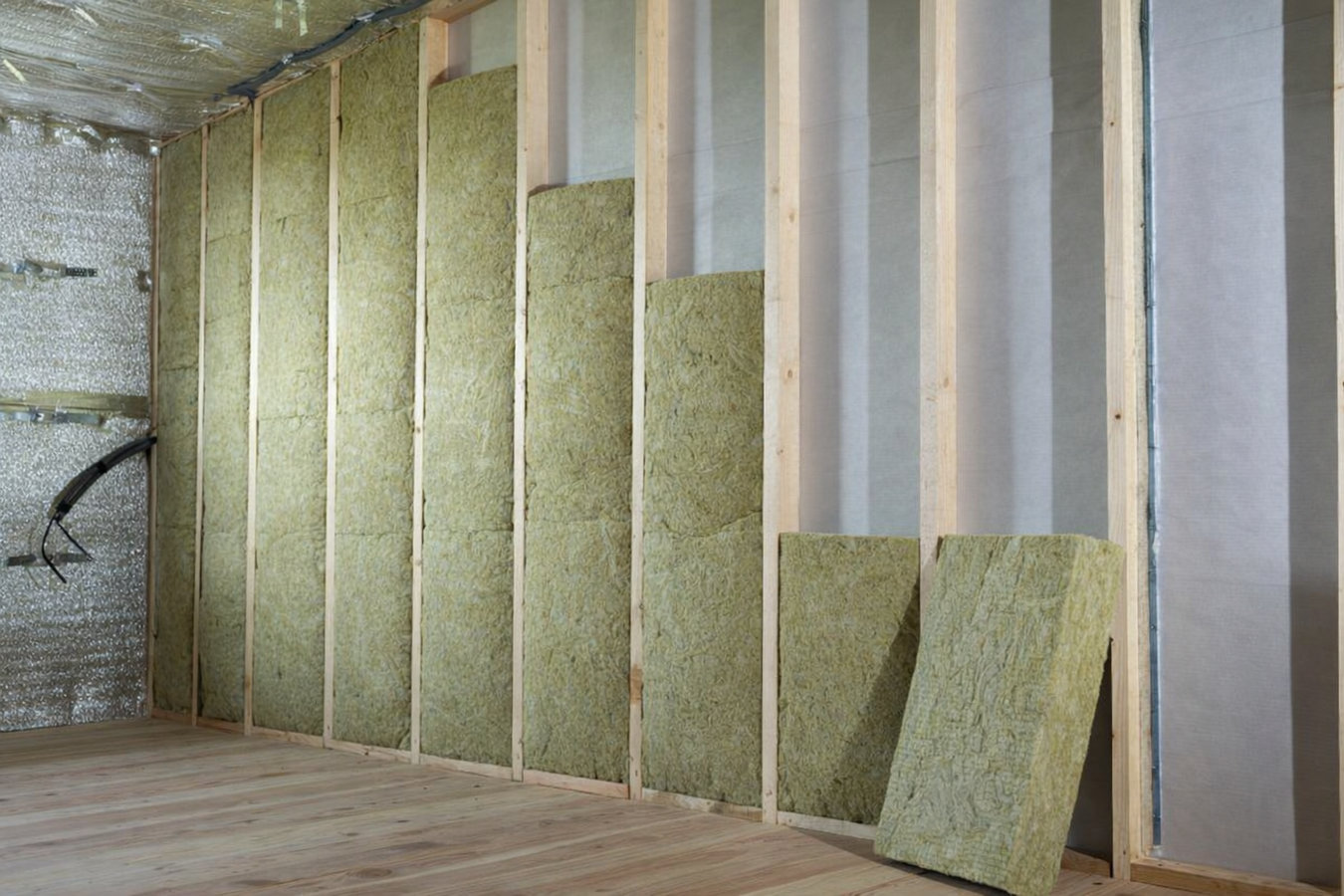
Cold floors and high heating bills are a sign your basement is working against you. We fix that with proper insulation and moisture control built for Corvallis winters.
Basement insulation in Corvallis slows heat from escaping through your foundation walls and floor - most jobs take one to two days and produce noticeable results in comfort and energy costs within the first cold season after installation.
A large share of Corvallis homes were built in the 1950s, 60s, and 70s, when insulation requirements were minimal or nonexistent. If your home falls in that range, there is a good chance your basement has little to no insulation at all. The good news is that starting from scratch here produces some of the most dramatic results of any home improvement project - floors that were cold all winter finally hold heat the way they are supposed to.
Basement insulation often pairs well with crawl space insulation in homes where the two spaces are connected or share similar moisture challenges. Together, they address the bottom of your home's thermal envelope in one coordinated project.
If the main-level floors feel noticeably cold in winter - especially in rooms directly above the basement - that is a strong sign the basement ceiling is not well insulated. In Corvallis, temperatures regularly dip into the 30s from November through February, and an uninsulated basement ceiling lets that cold press upward through the floor. Most homeowners notice the fix within the first cold snap after installation.
If your gas or electric bill has been climbing and you have not changed your habits, heat loss through an uninsulated basement is a likely cause. Corvallis winters are long and wet, and an uninsulated basement works against your heating system for months at a time. Many homeowners are surprised to learn how much of their heating cost is escaping through the foundation.
During Corvallis's rainy season, moisture can work through basement walls and create a damp environment. If you notice water stains, a musty smell, or walls that feel wet to the touch, that is a sign the basement needs moisture management alongside proper insulation. Insulating over a damp wall without addressing the moisture first makes things worse - catching this early matters.
Many older Corvallis homes had basements finished as bonus rooms without proper insulation behind the walls. A contractor can check during a free estimate - sometimes by removing an outlet cover to look at the wall cavity. An uninsulated finished basement is one of the most common energy problems in homes built before the 1990s in this area.
We insulate both the walls and the ceiling of basements in Corvallis, depending on how the space is used. Wall insulation is the right choice when your basement is finished or will be finished as living space - it treats the room as part of your heated home and keeps it comfortable year-round. Ceiling insulation, which goes between the basement and the floor above, is often the better fit when the basement stays unfinished and unheated, because it keeps warmth in the living areas above rather than trying to heat a space you are not using.
For basements with existing moisture issues, we address that before any insulation goes in - never over it. We also handle rim joist sealing and air sealing at the same time, which is often where the biggest heat loss is happening in older Corvallis homes. If your home has related issues below grade, we can coordinate with closed-cell foam insulation for a more complete moisture and air barrier in the toughest spots.
Best for finished or soon-to-be-finished basements used as living space.
Best for unfinished, unheated basements where the goal is keeping the floor above warm.
Best for any basement where drafts or moisture enter through the framing at the top of the foundation wall.
Best for irregular surfaces, older construction, and spaces where air sealing and insulation need to happen at the same time.
Corvallis gets around 50 inches of rain per year, with most of it falling between October and April. That sustained moisture puts pressure on basement walls and can cause dampness that makes insulation less effective - or even harmful - if installed without addressing water first. A contractor working in Corvallis should check carefully for signs of water intrusion before any material goes in, not assume the space is dry. The city also requires permits for certain types of insulation work, including spray foam, and the Oregon Energy Trust offers rebates for qualifying projects - worth checking before you hire.
Many homes in older Corvallis neighborhoods like Timberhill, Crystal Lake, and South Corvallis were built between the 1940s and 1970s, when insulation requirements were minimal. Homeowners in these areas are often starting from scratch - and the improvement in comfort and energy costs can be dramatic. We serve the whole Corvallis area, including nearby communities like Albany and Lebanon, where similar older housing stock creates the same challenges.
We will ask a few basic questions - basement size, finished or unfinished, any moisture history - so we arrive prepared. Most Corvallis homeowners get an estimate scheduled within a few days, and we reply to all requests within one business day.
We walk your basement, check the walls, ceiling, rim joists, and look for moisture. We explain what we find in plain language and give you a written estimate with a clear scope and cost - no vague line items.
If a permit is required - common for spray foam and larger projects in Corvallis - we handle it through the City of Corvallis Building Division. Permit review typically adds a few business days, and we coordinate everything on your behalf.
Most Corvallis basement jobs take one to two days. When the work is done, we walk you through what was installed and why. If a permit inspection is required, we coordinate that too - you do not need to do anything extra.
Free estimate. Written quote. No pressure. We reply within one business day.
(541) 243-1620We work throughout Corvallis and the surrounding region, from Albany and Lebanon to Salem and Newport. That range means we have seen the same older housing stock and wet-climate challenges in hundreds of homes - not just a handful.
Every job we do in Corvallis is backed by crews with years of hands-on local experience. We document the work we complete and follow the rules on permits and inspections - so you get accountable work with a clear paper trail, not just a verbal assurance.
We check for water intrusion during every estimate before recommending a single product. Insulating over a damp surface is one of the most common mistakes in this trade - it leads to mold and failed insulation. We never skip that step. The U.S. Department of Energy recommends addressing moisture before any basement insulation is installed.
We pull permits through the City of Corvallis Building Division when required and coordinate city inspections on your behalf. If you are eligible for Oregon Energy Trust rebates, we can help you capture that savings - you should not have to navigate that process alone.
We have built this business in the Willamette Valley by being straight with homeowners - about what we find, what it costs, and what is actually worth doing. Every basement insulation job we complete is one we stand behind.
Rigid spray foam that insulates and seals air in a single application - ideal for rim joists and tight basement spaces.
Learn moreAddress the under-floor moisture and heat loss that often pairs with basement insulation work in older Corvallis homes.
Learn moreCorvallis's rainy season does not wait - lock in your installation before the cold sets in and your heating bills climb again.