Air sealing services
Close the gaps and cracks that let conditioned air escape - the step that makes wall insulation perform at its best.
Learn more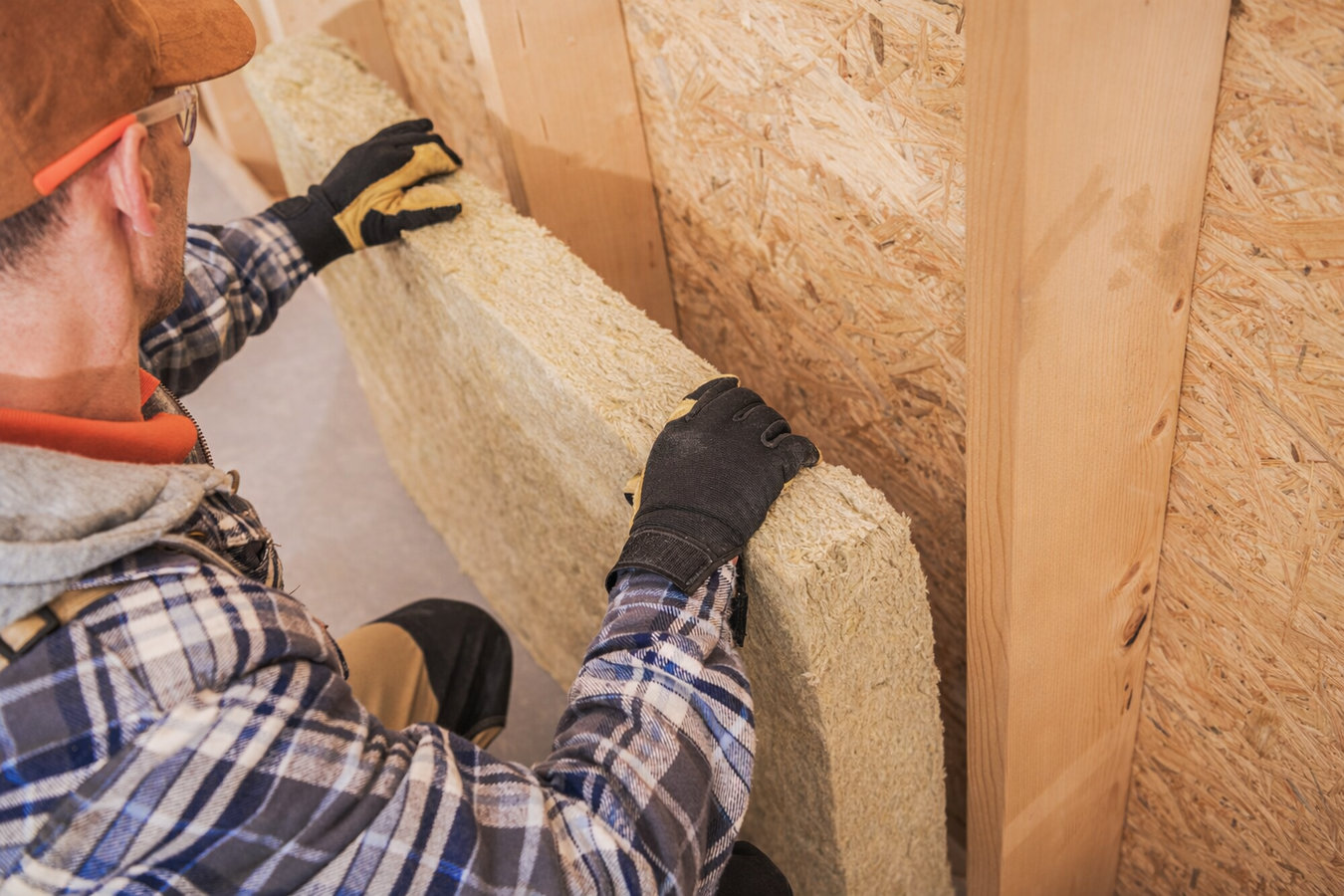
Cold walls, rising heating bills, and drafty rooms all point to the same problem. We insulate finished and open walls throughout Corvallis with minimal disruption to your home.
Wall insulation in Corvallis slows heat from escaping through your exterior walls - most jobs on a single-story home finish in one day with small drilled holes that are patched before the crew leaves.
If your home was built before 1980, your exterior walls likely have little or no insulation inside them. That gap is the reason certain rooms never feel warm, no matter how high you set the thermostat. Wall insulation solves the problem at the source instead of masking it. Many homeowners combine this work with air sealing services to get the full benefit on their energy bills.
The Willamette Valley climate means walls that lose heat also tend to pull in moisture over the long rainy season. Addressing both at the same time protects your home and keeps the insulation working the way it should for years.
Corvallis winters are damp and persistent from October through March. If your gas or electric bill climbs noticeably each November and you have not changed your habits, under-insulated walls are one of the most common causes. Heat escapes through empty wall cavities far faster than most homeowners expect.
Place your hand flat against an exterior wall on a cold, rainy day. If it feels cold, that wall is losing heat. Interior walls should feel roughly room temperature. A cold, clammy surface on a finished wall usually means the cavity behind it is empty or has very little insulation.
Most Corvallis homes built before the mid-1970s were constructed with little or no wall insulation by today's standards. If you bought an older home and no one has mentioned an insulation upgrade, the walls are very likely bare inside. This is the most common situation contractors see in the neighborhoods near downtown and OSU.
Electrical outlets and switches on exterior walls are small windows into what is happening inside your walls. If you feel a draft or cold air coming through them, air is moving freely through the wall cavity. That typically means little or no insulation is blocking it.
For homes with finished walls - drywall up, paint on - we use a blown-in dense-pack method. We drill small holes at regular intervals along each wall section, insert a hose, and fill the cavity completely with insulation material until it is packed tight. Every hole is patched and smoothed before we leave. You can touch up the paint yourself or ask us about painting options. This is the right approach for most older Corvallis homes where tearing out drywall is not practical. It pairs well with blown-in insulation in the attic if you want to address the whole house at once.
For open walls during a renovation - studs exposed before new drywall goes up - we install batt insulation fitted between the framing. This is a faster method that works well when walls are already open for other work. Either way, we check for moisture before any material goes in. A wet wall gets addressed first; insulation over a moisture problem makes things worse, not better.
Best for finished walls in existing homes where keeping walls intact matters.
Best for open walls during a renovation, remodel, or new addition.
Best for older homes with verified empty or under-filled wall cavities.
Best for landlords updating older rental homes near OSU for energy compliance.
Corvallis gets close to 45 inches of rain a year, most of it between October and April. That long, damp winter puts steady pressure on your heating system. If your exterior walls are empty - which is common in any home built before the mid-1970s - your furnace or heat pump is fighting against the cold on two fronts: through the windows and straight through the walls. Insulating the walls takes one of those losses off the table and gives your heating system a fighting chance.
The older neighborhoods near Oregon State University and south Corvallis have some of the highest concentrations of pre-1975 homes in the region. These homes often have original wall framing with no insulation between the studs at all. In newer subdivisions toward Albany and north Corvallis, walls were typically insulated when built - but homeowners in Lebanon and the surrounding valley towns are often dealing with the same empty-wall situation as the older parts of Corvallis.
Energy Trust of Oregon rebates are available to most Corvallis homeowners through Pacific Power and NW Natural. Ask us about current rebate amounts before you schedule - getting the paperwork right from the start makes the process much smoother. Energy Trust of Oregon
We will ask your home age, approximate square footage, and whether you have noticed cold walls or high bills. We reply within 1 business day and schedule an in-home visit at a time that works for you.
We walk your exterior walls, check for any signs of moisture, and confirm what is currently inside the cavities. This usually takes 30 to 60 minutes. You get a written estimate before we schedule any work - no pressure.
Move furniture about two feet from exterior walls beforehand. The crew drills, fills, and patches each wall section. Most single-story Corvallis homes are done in one day. You can stay home during the work.
You receive a completion certificate showing how much material was installed and where. If you are applying for an Energy Trust of Oregon rebate, we provide all the documentation you need to file.
Experienced local crews familiar with Energy Trust of Oregon rebates. Free estimates, no pressure.
(541) 243-1620Our crews have spent years installing wall insulation in Corvallis-area homes, including the older housing stock that needs extra care. That hands-on local experience means fewer surprises and work that holds up over time.
We work throughout Corvallis and the surrounding Willamette Valley, from Albany and Lebanon to Salem and beyond. If you are within our service territory, we will come to you - no extra travel fees tacked on after the estimate.
Every wall insulation project ends with a written completion certificate showing material type, quantity, and coverage area. This protects you if you ever sell the home or need to verify the work for a rebate application.
Corvallis gets a lot of rain. We check for moisture in your walls before any insulation goes in. Adding insulation over a wet wall traps the problem and makes it worse. We address moisture first - and tell you if we find it - so the new material stays effective for decades.
Wall insulation is one of those jobs where you cannot see the finished product inside the wall - which is exactly why documentation matters. We give you a written completion certificate to prove the work was done right, and we back it up with experienced local crews and a final walkthrough on every job.
Close the gaps and cracks that let conditioned air escape - the step that makes wall insulation perform at its best.
Learn moreLoose-fill material blown into your attic or wall cavities fills irregular spaces that batts cannot reach.
Learn moreCorvallis rainy season comes every fall - get your walls insulated before heating costs climb again.