Retrofit Insulation
Once moisture is controlled with a vapor barrier, upgrading the insulation above it delivers the full energy savings your home is capable of.
Learn more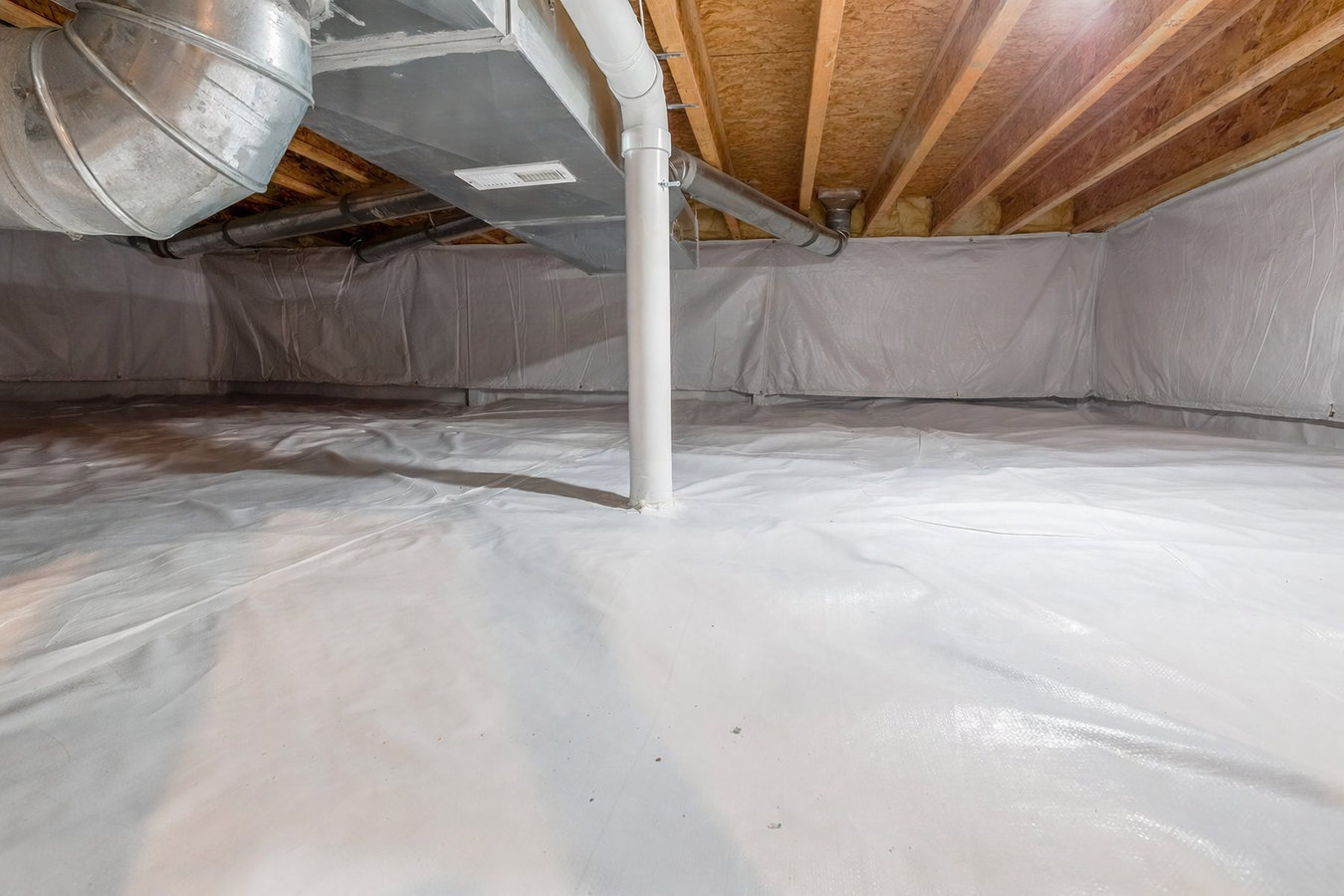
Ground moisture from the Willamette Valley quietly damages wood framing, soaks insulation, and raises heating bills. A professionally installed vapor barrier stops it at the source.
Vapor barrier installation in Corvallis stops ground moisture from entering your home through the crawl space or basement - most jobs are completed in one to two days and the barrier is effective immediately. A heavy-duty plastic or foil sheet is installed across the crawl space floor and up the foundation walls, with all seams overlapped and sealed so there are no gaps for moisture to pass through.
Corvallis receives around 51 inches of rain annually, most of it concentrated in a wet season from October through April. The Willamette Valley's clay-heavy soils hold water near the surface long after rain stops - meaning the ground under your home stays under pressure for most of the year. Homes built before 1980 in Corvallis, particularly in neighborhoods near the university and downtown, were typically constructed without meaningful moisture protection in the crawl space.
Vapor barrier installation pairs naturally with retrofit insulation - once the moisture is controlled, upgrading the insulation above the barrier becomes much more effective because dry insulation holds heat the way it is designed to.
A persistent earthy or musty odor that gets stronger when Corvallis rains return in October is a reliable sign that moisture is entering your crawl space unchecked. In older homes near the university or the Willamette riverfront, this smell often intensifies during wet stretches because the soil has no barrier slowing the moisture transfer upward. It does not mean your home is ruined - but it means something is wrong and worth addressing before another wet season passes.
If your floors feel cold underfoot during winter despite adequate heating, or certain areas feel slightly springy when you walk on them, ground moisture is a likely cause. Moisture that soaks into the subfloor weakens the wood slowly - there is no single dramatic event, just gradual softening over years. This is especially common in Corvallis homes built before 1980, where crawl space moisture protection was minimal or absent.
Water droplets on pipes, metal straps, or wood beams inside the crawl space are a direct signal that humidity levels below your home are too high. You do not need to be an expert to recognize that wet wood and dripping metal are not normal. Even a quick look through the access hatch with a flashlight can tell you whether the space is dry or holding moisture.
When the insulation above your crawl space absorbs ground moisture, it loses most of its ability to hold heat - your furnace works harder to compensate. If your heating costs seem high relative to your home's size and age, and you have already addressed other obvious sources of heat loss, the crawl space is worth investigating. The U.S. Department of Energy identifies crawl space moisture control as a foundational step in home energy efficiency.
Every job starts with a free crawl space assessment. A crew member accesses the space, checks what is currently there, measures the area, and confirms what the job involves before we quote anything. The written estimate you receive specifies the sheeting thickness, the total area covered, what prep work is included, and the final cost - no guessing, no surprises after the job starts. Installation typically takes one day for an average Corvallis home.
For homes where moisture issues are more complex, we can discuss crawl space vapor barrier options that include vent sealing or expanded wall coverage. We also work with homeowners looking to combine moisture control with retrofit insulation upgrades - a combination that addresses both moisture and heat retention in one project. Every recommendation is grounded in what we actually found during the assessment, not a default upsell.
Suits most Corvallis homes - complete floor coverage with sealed seams and wall coverage, completed in one day for typical home sizes.
Suits crawl spaces with torn or degraded existing material, standing water, or accumulated debris that must be cleared before new sheeting goes down.
Suits older Corvallis homes with vented crawl spaces where sealing the vents alongside the barrier significantly improves moisture control through the long rainy season.
Suits homeowners who want an honest evaluation of what is currently in their crawl space before deciding on any scope of work.
The Willamette Valley's climate creates some of the most persistent ground moisture conditions in the Pacific Northwest. Corvallis gets around 51 inches of rain annually, concentrated in a wet season that runs from October through April with little interruption. The clay-heavy soils under most Corvallis properties do not drain quickly - water sits near the surface and continues releasing moisture upward for weeks after a storm. Oregon has updated its residential building code in recent years to favor sealed, conditioned crawl spaces precisely because vented designs in wet climates like this one often bring in more moisture than they remove. Oregon Building Codes Division
A large share of homes in established Corvallis neighborhoods were built before moisture barriers were standard practice. Many of those crawl spaces have no effective protection or have degraded old sheeting that stopped doing its job years ago. Homeowners in Newport and Corvallis face similar Willamette Valley moisture conditions, and we work in both communities regularly. If your home was previously a rental - which is common near the OSU campus - there is a higher chance the crawl space has been neglected, because rental properties are less likely to have had proactive moisture upgrades.
Reach out by phone or through our contact form and we respond within one business day. We ask a few basic questions about your home - age, whether you have noticed any moisture issues - so the crew arrives prepared with the right materials.
A crew member accesses your crawl space through the hatch or exterior foundation door, measures the area, and checks the current condition. This visit costs nothing and produces a written estimate that explains what we found and what we recommend.
Your written quote specifies sheeting thickness, area covered, any prep work required, and the total cost. Take the time you need to decide - we will not follow up repeatedly. A trustworthy contractor will not pressure you to sign on the spot.
The crew installs the barrier in one day for most homes - you do not need to be present, though most homeowners prefer to be. We walk you through the completed work with photos before we leave so you can see exactly what was done.
Free in-person assessment. Written estimate with no obligation. We respond within one business day.
(541) 243-1620We serve homeowners throughout Corvallis and the surrounding region - from Newport on the coast to Salem and McMinnville in the valley. That means we work in the same clay soils, the same wet climate, and the same housing stock as your home every single day.
Our crews have years of hands-on experience installing vapor barriers in Corvallis-area crawl spaces. We know the local clay soils and wet climate, we document the work we complete, and we do a final walkthrough with you before we leave the job.
We use thicker sheeting than the minimum because in the Willamette Valley's climate, thinner material degrades faster under constant humidity pressure. A barrier that is installed correctly and built to last is far cheaper than dealing with the moisture damage that builds up if a poor installation fails in year three.
Every project starts with an in-person assessment. You receive a written estimate that explains what we found, what we recommend, and why. We do not add work after the job starts and we do not pressure you to commit before you are ready.
We give you a straight assessment of what is under your home and a clear recommendation backed by what we actually found. That honesty is what brings Corvallis homeowners back and what earns the referrals we depend on.
The U.S. Department of Energy identifies crawl space moisture control as one of the foundational steps in home energy efficiency - a useful starting point if you want to read further.
Once moisture is controlled with a vapor barrier, upgrading the insulation above it delivers the full energy savings your home is capable of.
Learn moreTargeted crawl space vapor barrier service focused on the floor and foundation walls of your crawl space.
Learn moreCorvallis's wet season starts in October. Schedule your free crawl space assessment now and get a written estimate before the rains arrive.