Commercial Insulation
Insulation upgrades for offices, warehouses, and mixed-use buildings throughout the Corvallis area.
Learn more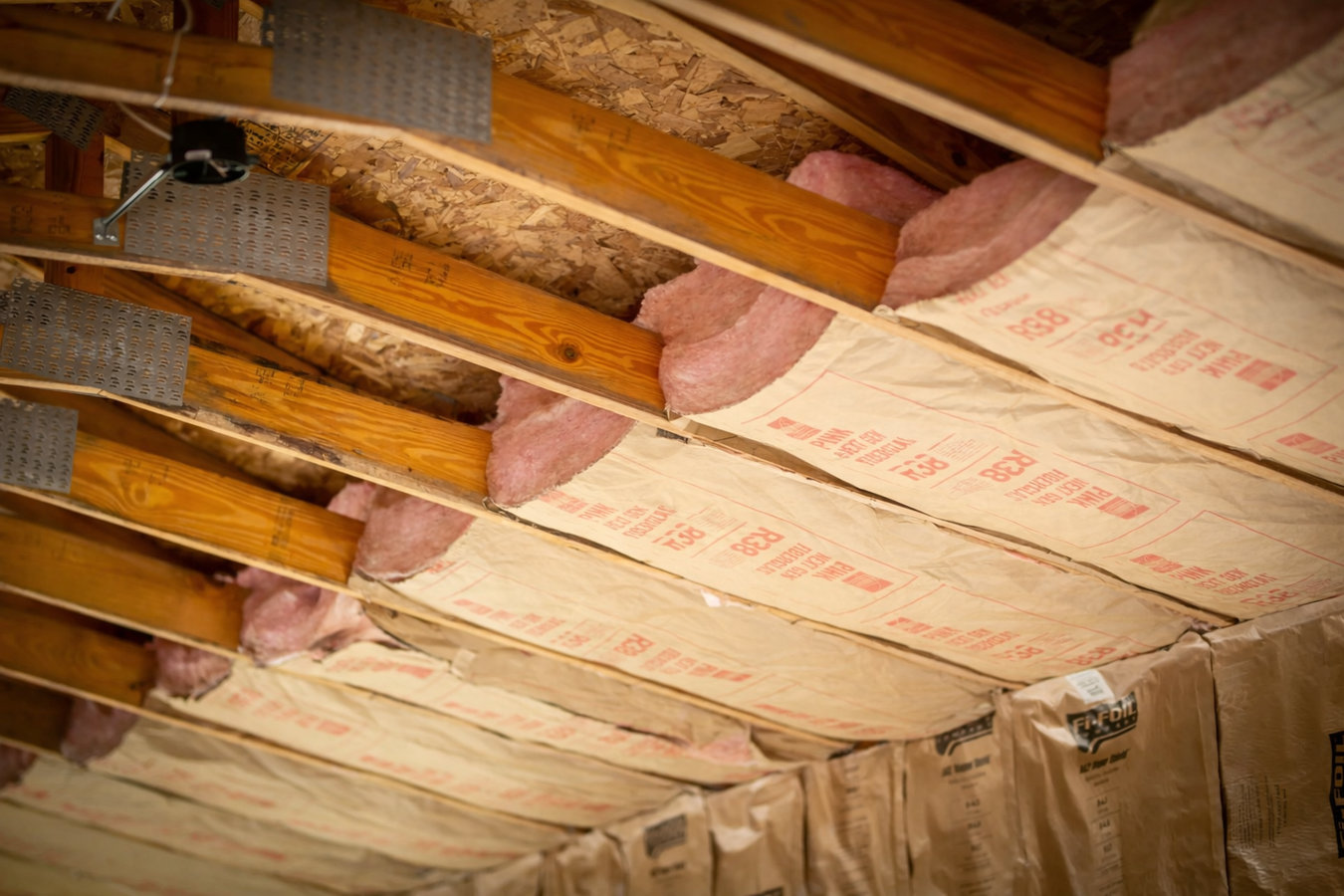
Older Corvallis homes lose heat through thin attics, uninsulated walls, and damp crawl spaces. Retrofit insulation adds what was never there - without tearing out walls or gutting your home.
Retrofit insulation in Corvallis adds insulating material to homes that are already built - attics, crawl spaces, and wall cavities - without major renovation, and most attic jobs are completed in a single day. A crew blows, sprays, or injects material into existing spaces through small access points, then patches everything clean. The goal is simple: stop your home from bleeding the heat you are already paying for.
Corvallis has a large share of homes built between the 1940s and 1970s - decades when insulation standards were minimal by today's measurements. If your home falls in that range, there is a good chance the attic has less than half the insulation current recommendations call for, and the exterior walls may have none at all. That gap shows up every October when your heating bill climbs and does not come back down until April. Homes in South Corvallis near the Willamette River and the neighborhoods around Oregon State University are especially common candidates for this work.
Retrofit insulation pairs directly with home insulation planning, and for many older homes it makes sense to start with an assessment that looks at the whole house before deciding where to begin. Crawl space work often goes hand in hand with commercial insulation approaches on mixed-use properties where both residential and commercial spaces share a building envelope.
Corvallis winters are wet and consistently cool from October through March, and a home with thin insulation works its heating system hard during those months. If your gas or electric bill climbs sharply in fall and stays high all winter - even at a reasonable thermostat setting - heat is escaping through your attic or walls faster than your system can replace it. This is one of the most reliable early signals that a retrofit would pay for itself quickly.
If one bedroom or a corner of your living room always feels drafty or chilly even when the heat is running, the insulation in that part of the house is likely thin or missing. In older Corvallis homes, it is common to find that exterior walls were never insulated at all, creating cold spots that no amount of thermostat adjustment will fix. A contractor can confirm this quickly with a thermal camera or a simple probe through an outlet.
If you stand under your attic access panel and feel cold air coming down in winter, or if the hatch itself feels cold to the touch, your attic is not properly sealed or insulated. Condensation on interior surfaces near the roofline is another signal that warm indoor air is escaping into a cold, uninsulated attic space - especially common during Corvallis's damp winters. These are things you can check yourself without any special tools.
If you bought an older home in Corvallis and there is no record of insulation work being done, it is very likely the attic and walls are under-insulated by current standards. Homes built in the 1950s, 60s, and 70s were constructed when energy was cheap and insulation requirements were minimal - many have two inches or less of attic insulation where current recommendations call for ten to fourteen. You do not need to feel a draft to benefit from a retrofit; the savings show up in your bills whether you notice the cold or not.
Every retrofit job starts with an in-person walkthrough - your attic, crawl space, and any walls you are concerned about. We look at how much insulation is already there, check for air leaks that need sealing before material goes in, and flag any moisture or pest conditions that should be addressed first. The estimate you receive is written and itemized: materials, scope, and total cost, with no surprises after work begins. For homeowners interested in home insulation upgrades across multiple areas, we can scope attic, wall, and crawl space work together in a single visit.
Retrofit insulation often goes hand in hand with air sealing - the step most contractors skip. Sealing gaps around light fixtures, pipes, and framing before blowing in insulation is what separates work that actually lowers your bills from work that looks complete but leaves drafts in place. We also handle projects where old or damaged material needs to come out before new insulation can go in, connecting that removal work directly with a fresh commercial insulation or residential upgrade in the same project.
Suits most Corvallis homes - blown-in material added over existing insulation or onto a bare attic floor, typically completed in one day.
Suits older homes with uninsulated exterior walls - material is injected through small holes drilled from outside, then patched to match.
Suits homes with bare or under-insulated crawl spaces, often combined with a vapor barrier to prevent ground moisture from compromising the new material.
Suits homes where drafts are the primary complaint - gaps and penetrations are sealed before any insulating material is added for maximum comfort improvement.
Corvallis receives close to 50 inches of rain per year, concentrated in a wet season that runs from October through April. That long, damp stretch is when under-insulated homes suffer most - heat escapes constantly, crawl spaces accumulate ground moisture, and heating systems run far longer than they should. The clay-heavy soils throughout the Willamette Valley hold water near the surface long after rain stops, which means any crawl space insulation needs to account for moisture before it goes in. A retrofit that skips that step will perform poorly within a few years regardless of material quality. Homeowners in Albany and surrounding Willamette Valley communities face the same conditions.
Oregon's Energy Trust has a strong presence in this area and offers cash incentives for insulation and air sealing work completed by approved contractors - rebates that Corvallis homeowners are well-positioned to use. The federal Inflation Reduction Act also provides tax credits for qualifying energy efficiency improvements, which can further reduce what you pay out of pocket. Homeowners in Salem and across the broader mid-Willamette Valley region have access to the same programs. A contractor who knows these programs handles the paperwork alongside the project so you are not chasing a rebate check months after the work is done.
We ask a few basic questions - your home's age, whether you have a crawl space, and what is prompting you to call. We schedule an in-person visit before giving any numbers. We reply within 1 business day.
A crew member walks your attic, crawl space, and any walls you want assessed. We check existing insulation levels, air leaks, and moisture conditions - the things that determine whether the job is straightforward or needs extra prep. This visit takes 30 to 60 minutes.
You receive a written quote that specifies exactly what work will be done, what materials will be used, and the total cost. We note whether you qualify for Energy Trust of Oregon rebates and what the process looks like - you do not have to chase that down yourself.
The crew arrives, seals air leaks first, then installs the insulating material. Most attic jobs take three to six hours. Before leaving, we walk you through what was done and provide documentation of the completed work for your records.
Free in-person assessment. Written estimate. No obligation.
(541) 243-1620Our crews have years of hands-on experience retrofitting insulation in Corvallis-area homes. We document the work we complete, do a final walkthrough with you, and stand behind every job - that accountability is not optional for us, and we would not have it any other way.
We are registered with Energy Trust of Oregon, which means we have met their quality standard for insulation work and can process rebate paperwork on your behalf. Choosing a registered contractor is the simplest way to collect the incentives you are entitled to - rebates that can reach $500 or more depending on the scope of your project.
Corvallis's wet climate creates specific challenges for retrofit insulation that contractors from drier regions do not deal with routinely. We check for crawl space moisture, clay soil drainage conditions, and signs of existing water intrusion before recommending any scope of work - because insulation installed over a moisture problem performs poorly and fails early.
Sealing gaps around light fixtures, pipes, and framing before adding insulating material is the step that separates jobs that actually cut energy bills from jobs that look complete but leave drafts. The U.S. Department of Energy estimates properly air-sealing and insulating a home can cut heating and cooling costs by up to 15 percent. We do not skip that step, and we will show you what we sealed before we close the attic.
These credentials and practices mean the same thing for every homeowner who calls us: the work is done to a standard you can verify, the incentives you qualify for are captured, and you will have documentation of what was done before the crew leaves your driveway.
Insulation upgrades for offices, warehouses, and mixed-use buildings throughout the Corvallis area.
Learn moreWhole-home insulation planning that identifies the highest-impact areas across attics, walls, and crawl spaces.
Learn moreFall is when demand spikes and contractor schedules fill up fast. Contact us now and get your assessment and estimate locked in before October.