
Open-cell foam insulation
A lighter, more flexible foam option well-suited to interior walls and attic floors where moisture resistance is less critical.
Learn more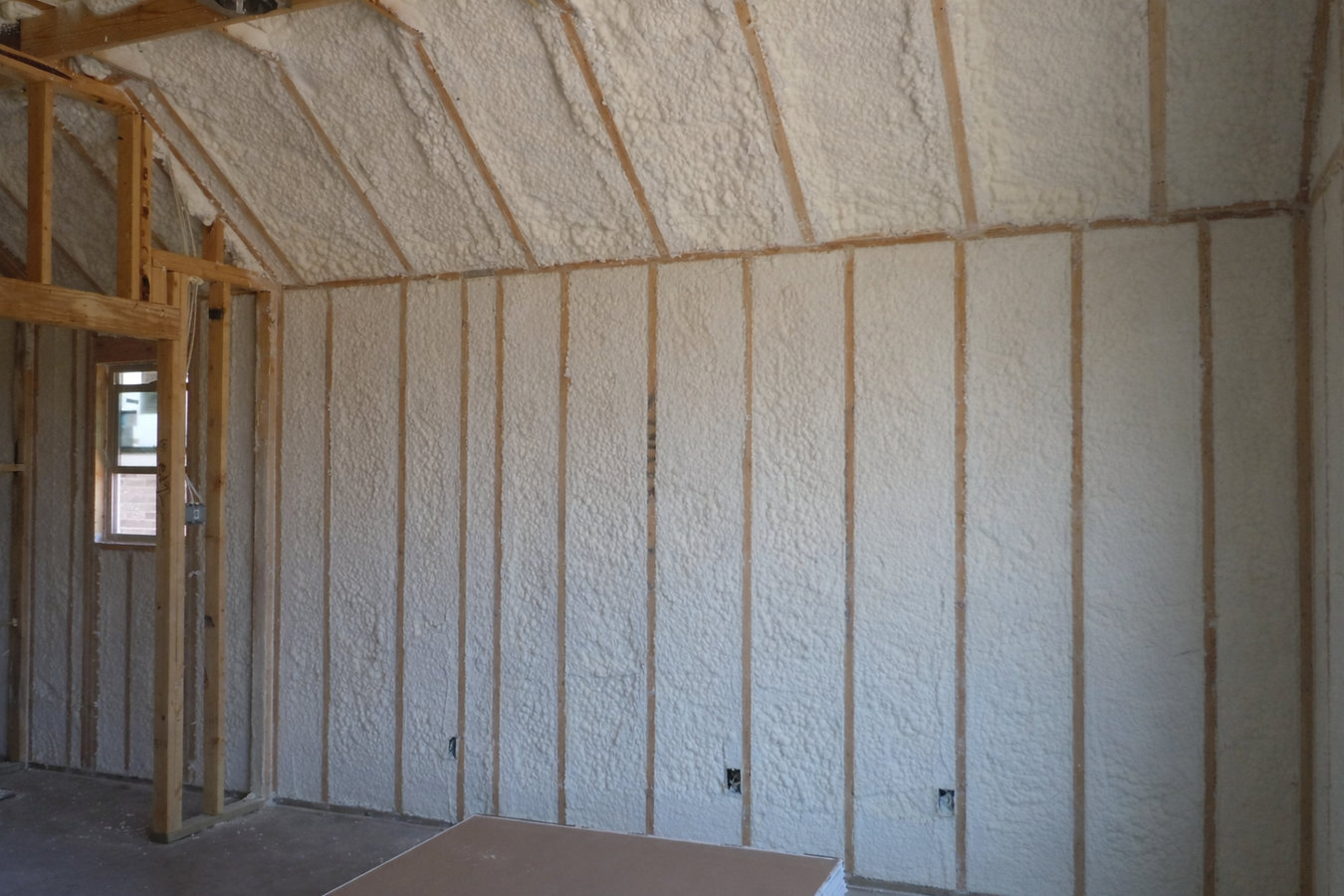
Standard insulation keeps some heat in. Closed-cell foam keeps heat in and shuts out the moisture that Corvallis winters push into your crawl space and walls.
Closed-cell foam insulation in Corvallis seals air leaks and blocks moisture vapor in a single application - most residential jobs, including a full crawl space or attic treatment, are completed in one day.
Unlike fiberglass batts or blown-in insulation, closed-cell spray foam expands on contact and cures into a rigid, dense layer that bonds to whatever surface it is applied to. It does two jobs at once: it slows heat transfer and it seals the gaps that allow air and moisture to move in and out of your home. For Corvallis homes with older crawl spaces, uninsulated rim joists, or a wet-season moisture problem, that combination is often the most effective solution available.
Closed-cell foam is frequently used alongside open-cell foam insulation in projects where different parts of the home call for different solutions - open-cell works well in interior walls and attic floors, while closed-cell handles the areas where moisture resistance is the priority.
Corvallis winters are persistently cold and damp from late fall through early spring. If your energy costs climb sharply when the wet season arrives and your thermostat never seems to keep up, air leaking out through the crawl space, rim joists, or attic is often the cause - exactly where closed-cell foam makes the biggest difference.
In homes with an uninsulated or poorly insulated crawl space - common in Corvallis neighborhoods built before 1980 - cold air from below the house migrates up through the floor. If your hardwood or tile floors are noticeably cold to the touch in winter, the crawl space is the most likely cause and one of the most cost-effective places to address with spray foam.
If you have looked into your crawl space and noticed gaps around pipes, vents, or the band of wood sitting on top of your foundation wall, those openings let outside air and moisture into the building. A musty smell in a first-floor room after rain is another sign your crawl space is not properly sealed.
A large share of Corvallis homes were built during the postwar and mid-century period, when insulation standards were far lower than today. If you have owned your home for years and cannot recall any insulation work being done - or a home inspection flagged the crawl space or attic - there is a good chance the existing insulation has settled, degraded, or was never sufficient to begin with.
Closed-cell spray foam is most commonly used in crawl spaces, rim joists, attic rooflines, and basement walls - areas where both insulation and moisture resistance are needed at the same time. In Corvallis's older housing stock, the rim joist is often one of the largest sources of air infiltration in the entire home, and spray foam is the most effective way to seal it. We also apply closed-cell foam to attic roof decks when a conditioned attic is the goal - which keeps the space warm enough to protect HVAC equipment and ductwork from the cold.
For homeowners who want a broader solution, closed-cell foam pairs naturally with spray foam insulation work elsewhere in the home - the same installation crew, the same chemistry, applied wherever the building envelope needs it most. If you are not sure which areas of your home are the biggest contributors to heat loss, the assessment will tell you.
Best for homes with damp, poorly sealed crawl spaces where moisture vapor is entering from the ground or outside.
Best for older homes with significant drafts at the base of the walls - one of the most cost-effective applications of closed-cell foam.
Best when you want to bring the attic inside the thermal envelope to protect ductwork, HVAC equipment, or living space overhead.
Best for below-grade spaces where both insulation value and moisture resistance are needed in a single application.
Corvallis averages around 44 inches of rain per year, with the bulk of it falling between October and May. Many homes in the city - particularly those built before the 1980s near campus and in the older neighborhoods south of downtown - were not built with today's moisture management standards in mind. Closed-cell foam's ability to block moisture vapor from entering wall and floor cavities is especially valuable here, where a damp crawl space or uninsulated rim joist can quietly cause rot and mold over years. The Spray Polyurethane Foam Alliance sets the training and installation standards our crews follow on every project.
Oregon's energy code also sets minimum insulation requirements for permitted work, and spray foam is a reliable way to meet those minimums in areas where batt insulation would struggle to fit correctly. We serve Corvallis and the surrounding region, including communities like Salem and Albany, where the same rainy-climate challenges apply across similar older housing stock.
We ask a few basic questions - what part of the home, how old the house is, and whether you have noticed specific problems like cold floors or high energy bills. This lets us arrive prepared with the right equipment. We reply to all requests within one business day.
We visit your home, measure the work areas, check for existing insulation and moisture issues, and give you a written estimate. The assessment typically takes 30 to 60 minutes and covers everything you need to make an informed decision.
For most spray foam projects in Corvallis, a building permit is required. We handle pulling the permit through the City of Corvallis Building Division and coordinate the inspection - you should not need to navigate that process yourself.
Most residential spray foam jobs in Corvallis are completed in a single day. The crew checks foam thickness at multiple points before leaving. Once the city inspection passes, the project is done - and you should notice a difference within the first heating cycle.
We assess your home, explain what we find, and give you a written quote with no pressure and no obligation. We reply within one business day.
(541) 243-1620We work throughout Corvallis and the surrounding region, which means we have dealt with the same wet-climate, older-housing challenges in a wide range of homes. That regional experience matters when assessing a crawl space or attic that does not match the textbook.
Our crews have years of hands-on experience spraying closed-cell foam in Corvallis-area homes. We document the work we complete, follow the rules on permits and inspections every time, and walk you through the finished job - so you know exactly what was installed and where.
After spraying, we measure foam thickness at multiple points across the work area before we leave. This confirms the installation meets the specifications in your project scope - not just our best guess. You get documentation you can keep, and so can a future buyer.
Closed-cell foam is a premium product and it costs more upfront than other insulation options. We will tell you honestly if a less expensive method would serve your home just as well for your specific situation. Our goal is a homeowner who is genuinely satisfied - not a sale we had to push.
Corvallis homeowners hire us because we explain what we are doing and why at every step. The work goes through a city inspection, and you walk away with documentation - not just a receipt.
A lighter, more flexible foam option well-suited to interior walls and attic floors where moisture resistance is less critical.
Learn moreExplore the full range of spray foam applications available for Corvallis homes, from crawl spaces to cathedral ceilings.
Learn moreWe are booking projects now - get your crawl space or attic sealed before the next Willamette Valley rainy season arrives.